An exploration of sanctuary and convergence
How do artists explore themes of memory and sanctuary?
I think memory informs most art practices, as you spend countless hours drawing upon a vast array of psychological, emotional, and physical experience while you create.
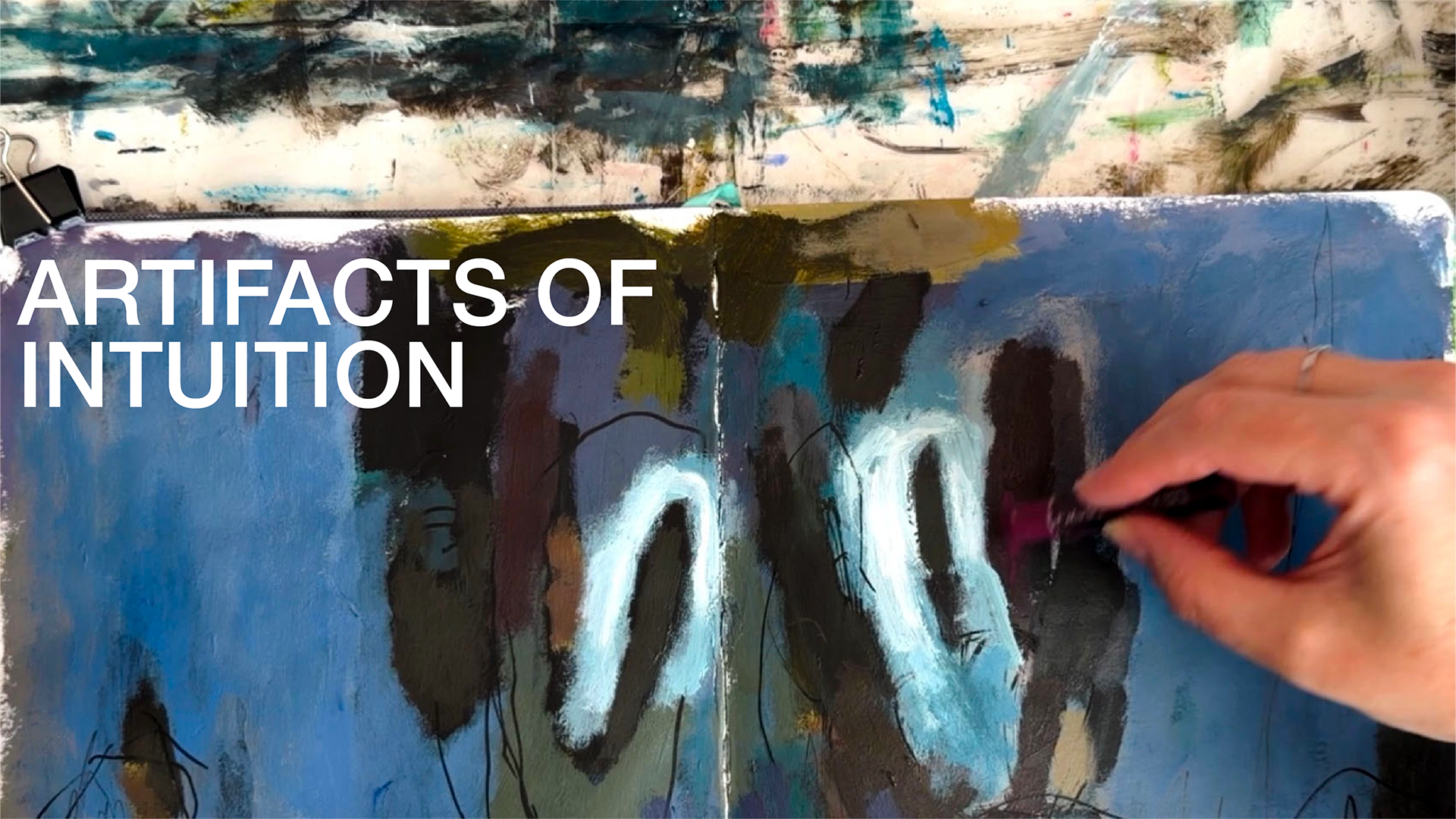
As an artist who paints primarily abstracted, atmospheric scenes, intuition plays a vital role in my process. Intuition is based on both memory—what one recalls from past experience—and a creative convergence, or a conversation between the artist and a kind of collective, energetic memory.
Before I began my career as an artist, I thought the ability to paint was a gift one was born with. After I began painting regularly, I realized it was more skill than talent. Now, after many hours with a brush in hand, I would describe the experience of painting as the emergence of a trace memory or artifact of an encounter.
When one enters nature, a change occurs. A physiological and emotional transformation takes place. For some reason, humans spend a great deal of time removing themselves from nature. Yet, they reenter natural environments with an almost worshipful posture. Because nature is transformational, humans experience it as a sanctuary.
Creativity has a similar transformational effect. When one is creative, one encounters a convergence similar to that of being in nature. The experience is both physical and energetic.
How do artists explore themes of memory and sanctuary? In essence, every painting is a by-product of memory because every painting requires an artist to enter, like an explorer, the space of convergence or sanctuary where the creative source is most alive.
Instead of seeing a painting or work of art as a picture of this or that which is supposed to evoke an emotion or a thought. As a collector, one really is purchasing or witnessing an artifact or trace remnant, a physical rendering of a creative encounter with source.